The rare plant crash: what really happened.
Rare plants used to be everything. Prices were insane, hype was off the scale and the whole community pretty much lost its mind. Since then, the market has all but collapsed. It has not disappeared completely, but it is a very different world now. In this post we’re break down what really happened to rare plants with no sugar coating, and why things feel so different to how they did in 2020.
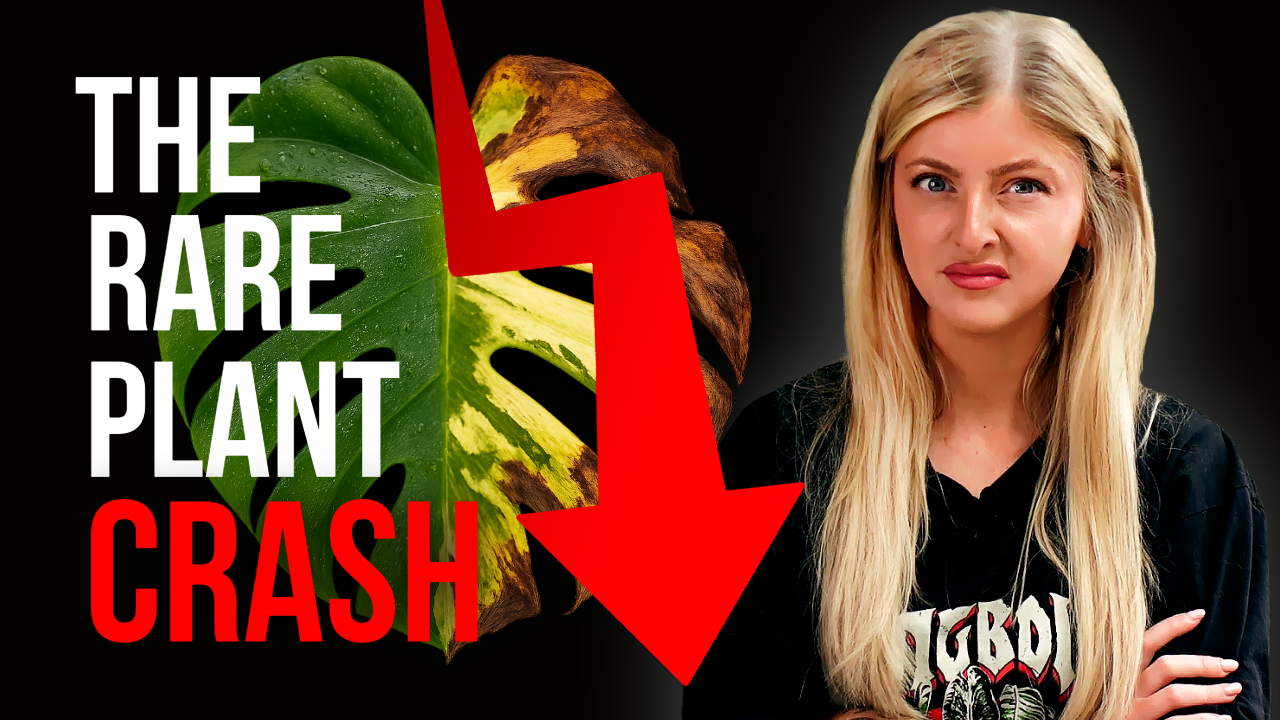
If you want to watch rather than read, this article is based on my YouTube video on the rare plant crash, so feel free to read along while you watch here.
The rise before the crash
Lets go back to 2019, before the pandemic. Rare plants were already on the way up, particularly rare aroids. They had obviously existed for hundreds of years, but they suddenly became fashionable. Collectors started to pay attention to them and social media made it very easy to show off the unusual stuff you had. Monstera, Philodendron, Anthurium and other aroid genera became status symbols. Other houseplants were pulled into this trend, but the aroid boom was really the centre of it.
Then 2020 hit and everything accelerated. With the pandemic and lockdowns, the price of almost everything shifted, and rare plants were absolutely not an exception. If anything, they became one of the most extreme examples of how strange that time was.
2020: peak insanity
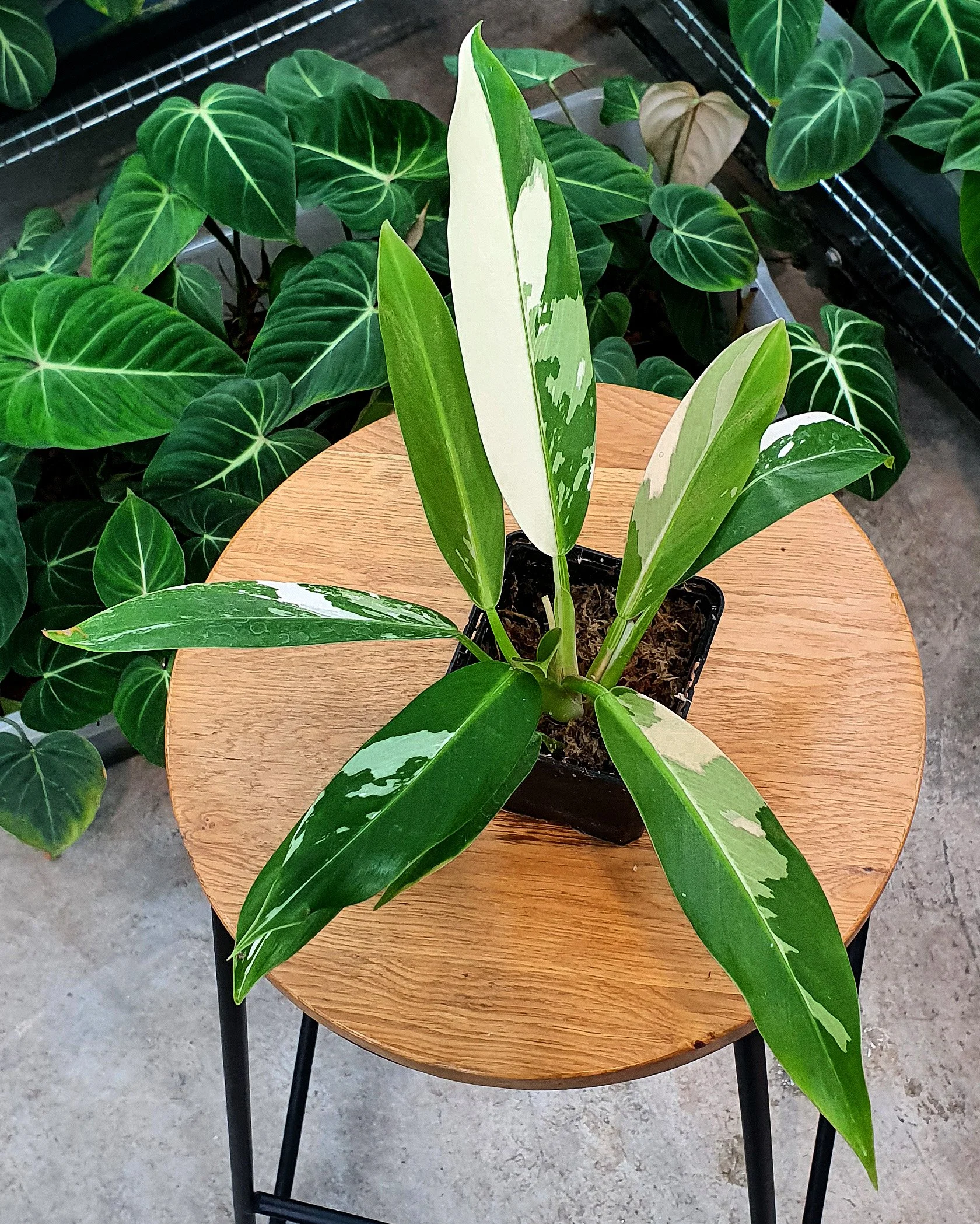
In 2020 the rare plant world went off the rails. There were arguments and drama in Facebook groups, stories of people stealing plants from nurseries, auctions spiralling out of control and sellers aggressively pushing prices up. If you were around for it, you will know exactly what I mean when I say it was chaos. Plants that you can now pick up for a few pounds or dollars were going for close to four figures. Not for some enormous mother plant, either, but for tiny cuttings, one or two leaves, or anything that could be boxed up and sold. The scale of it was ridiculous.
Variegation poured petrol on the fire. Variegated plants became the ultimate flex. White, cream, yellow, pink - if it had unpredictable splashes or sectors of colour, people went wild for it. Pink variegation was especially hyped. Classic plants like variegated Monstera, Philodendron Pink Princess or variegated Adansonii were treated like unicorns. People were paying huge amounts for plants that are now turning up in supermarkets and big box stores. Being in a Facebook selling group at that time felt like standing in the middle of a stock exchange. Listings were posted, bids came in instantly and plants were sold in seconds. People gossiped about specific auctions, who won which plant, and for how much. Entire groups revolved around tracking these prices.
At the peak, plants were literally priced per node. Take a vining plant like a Pink Princess. If a cutting had two or three nodes, the price scaled per node because everyone knew it would end up chopped again. A bigger plant did not mean a better deal. Sellers looked at a plant and priced it based on how many cuttings could be carved out of it. That pricing model encouraged more chopping, more flipping and more short term thinking.
Alongside that, flipping became a full time job for some people. Plants were bought and then re-listed the same day for a higher price. And not just a little bit higher. These were jumps that would be unthinkable now. Whenever that kind of money appears in a hobby, the worst behaviour usually follows. There were sellers chemically inducing pink or white variegation, people literally painting leaves, people using Photoshop to fake variegation and outright scammers taking money and vanishing. It was a very dark, messy period for the hobby.
Everyone becomes a seller
After the peak hype, oversaturation became inevitable. Once it became clear that rare plants could bring in serious money, everyone wanted in. Hobbyists with big collections turned their homes into mini nurseries. People who had never sold a plant in their life suddenly set up Instagram shops, Facebook pages and websites.
For a while, sales kept booming, but behind the scenes a fundamental shift was happening. Plants were entering the market faster than they could be bought. On a basic supply and demand graph, this is the moment where the lines cross. At first it feels like plants have simply become easier to find. Then there is a tipping point where supply starts to exceed demand and stays there.
When everyone is selling the same plants, a new kind of panic takes over. Sellers become desperate to move stock before the next person does, so prices start to slide. At first you shave off a little bit from the old high price. Then someone else goes slightly lower. Then someone else undercuts that. Slowly but surely, the baseline drops.
Quality also took a hit. As more hobbyists started shipping plants, a lot of the basics were ignored. Pest issues became more common. Plants were sent in poor packaging, at terrible times of year, or with no regard for how long they would be in transit. It became obvious who actually knew how to ship plants safely and who was just cashing in.
The most interesting part of this phase was the psychological flip. In the early days of the boom, all the stress sat with the buyer. There was extreme fear of missing out. People felt that if they did not buy a specific plant at that moment, they might never see it again. As the market became saturated, the stress moved from the buyer to the seller. Now it became “what if I cannot shift this plant,” “what if I bought too many,” or “what if everyone undercuts me.” The power balance changed completely. Buyers could afford to be choosy, and sellers had to compete harder on quality, reputation and service.
The small upside is that this period helped to strengthen the better sellers. Shops and individuals with good quality plants and reliable service survived. Many of the rest simply faded away when the quick easy money dried up.
The tissue culture tidal wave
Tissue culture is one of the biggest reasons the rare plant market changed so dramatically. It did not arrive out of nowhere. It has existed for a long time, but during and after the hype period it ramped up in scale. Protocols improved, more labs got involved and plants that were once genuinely scarce began to appear in tissue culture flasks by the thousand.
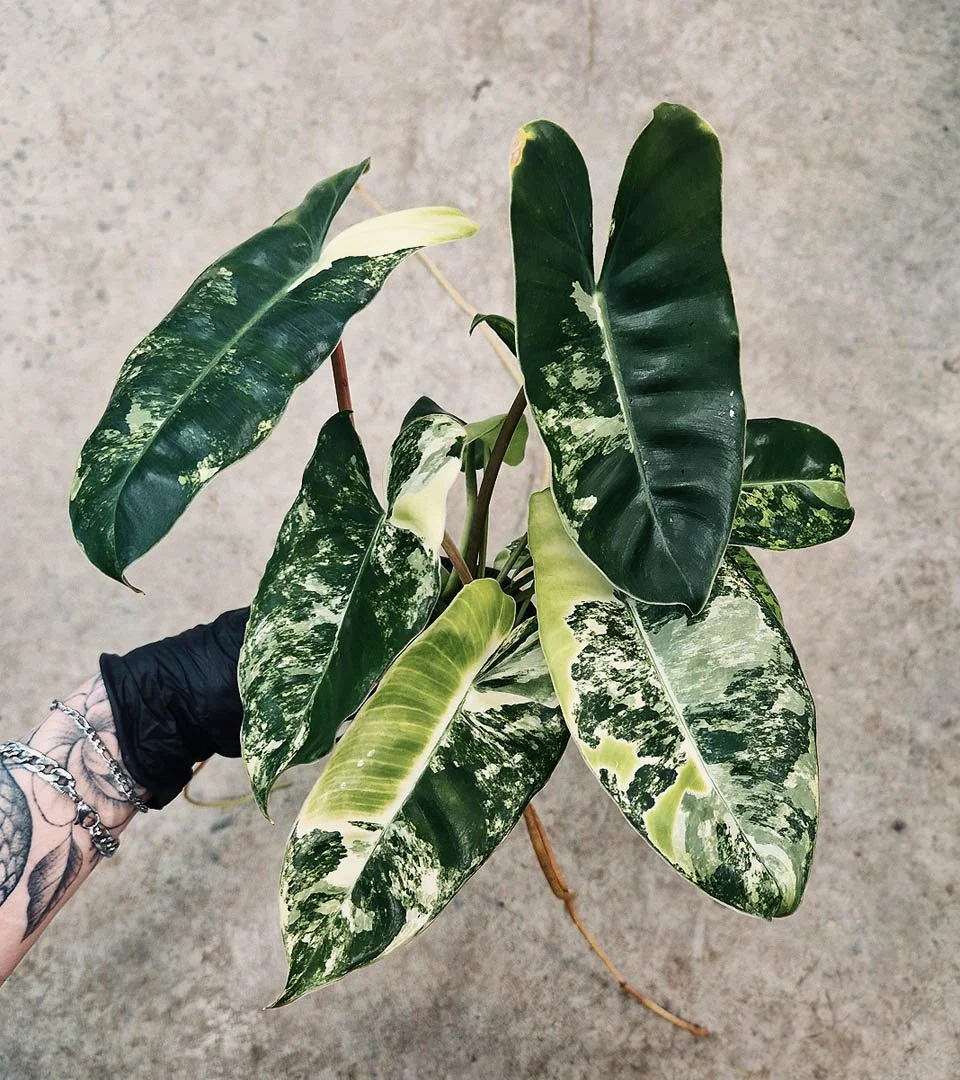
From a buyer’s perspective, tissue culture is brilliant. It makes plants more available and much cheaper. From a seller’s perspective, some of the decisions made by tissue culture suppliers were a disaster. Instead of releasing plants slowly and protecting prices, many labs dumped huge numbers of high demand plants onto the market at once. It was a short term cash grab. The attitude was basically “we can mass produce these now, so let us sell as many as we can as fast as we can.”
A good example is Philodendron Spiritus Sancti. At one point a seller publicly posted a photo saying they had around ten thousand of them from tissue culture. The intention was clearly to flex. The result was that the entire community looked at that photo and said, “right, so it is not rare anymore.” You cannot post a wall of thousands of supposedly rare plants and still expect people to pay old “unicorn” prices for them. It does not work.
In response, some tissue culture suppliers tried to artificially hold the prices high in spite of flooding the market. They wanted to keep the “rare” label without the rarity. But the community was becoming more educated. Many collectors chose to wait, knowing that once the first wave hit, prices would inevitably fall. Some people still tried to jump in early and flip plants for profit, but the dynamic had changed.
At the same time, more and more people became aware that some overseas growers were chemically inducing variegation or selecting only the most variegated plants as mother stock. When you repeatedly run that kind of material through tissue culture, a few things happen. Variegation stops being a natural rarity and becomes something that can be manufactured. Lines can become weaker and fussier. And strange mutations appear that are then rebranded with new names and sold as new “collectors’ items” at a premium.
On the business side, a very simple red flag emerged. If a wholesaler is suddenly offering you a “rare” plant in a minimum batch of hundreds and pricing each unit at something like a dollar, that is not generous, it is a warning. It usually means they are drowning in stock or are about to flood the market even further. They know something you do not.
Unless you can move that entire batch extremely quickly, you become the person left holding the bag when prices collapse again. This is part of why so many smaller shops struggled or closed. Their entire business model was built around high price, lower volume rare plants. Tissue culture knocked the foundations out from under that model.
Bypassing shops and burning out
As awareness grew, more collectors realised that they did not always need a traditional shop. People learned how to import plants themselves, or to buy directly from small overseas sellers or hobbyists. The old chain of lab to big grower to wholesaler to shop to customer shortened. Shops were cut out. That put even more pressure on those businesses, especially the ones with high overheads and fixed costs.
Meanwhile, on the hobby side, there was a different kind of problem: fatigue. The hype era was exhausting. Collections grew to ridiculous sizes. People were caring for hundreds of plants, constantly propagating, selling, filming and posting. It was exciting while every plant represented potential income. If you knew your collection could literally pay your bills, you had a huge incentive to keep everything alive.
Once prices fell and everything became more common, that motivation faded. The mindset shifted from “I must keep this alive because it could pay my rent” to “if this dies, I can replace it fairly cheaply.” When collecting is not tied to survival or large financial gain, it becomes easier to let things go. For many people, the hobby became too big, too fast and too stressful.
Lots of collectors downsized. Some left entirely. Even plant YouTubers who exploded during the boom quietly stepped back or disappeared. That in itself is a symptom of what was happening everywhere else in the hobby.
From hype to scepticism
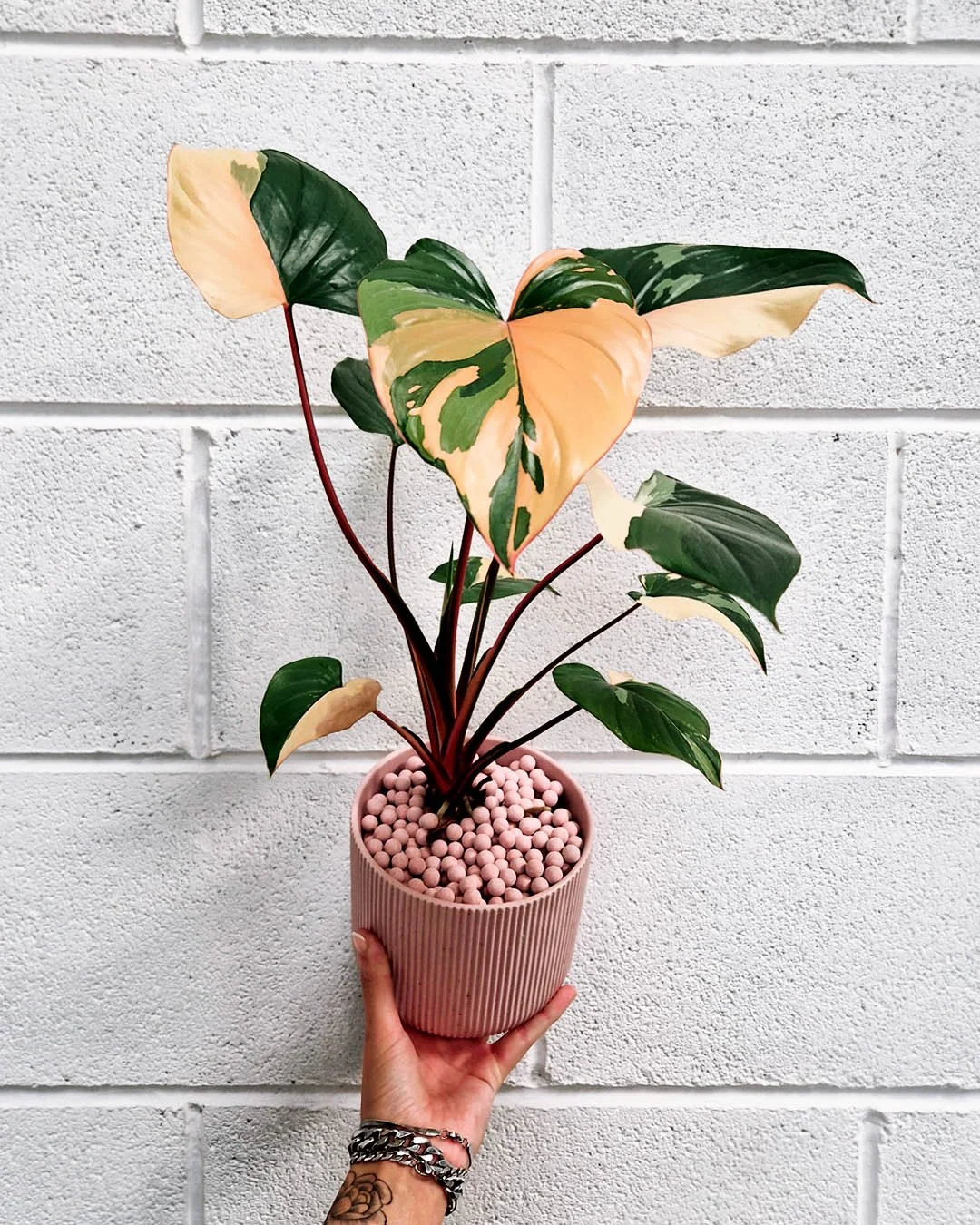
By this point, the tone across the community had completely changed. At the beginning, a new plant would trigger pure excitement. Now, the default reaction is more cautious and analytical.
Collectors are far more aware of how the system works. They understand tissue culture. They recognise marketing tricks. Many know about chemically induced variegation and about how some lines have been weakened through over cloning. They also understand the realities of caring for these plants long term. Things like lighting, space, moss poles and humidity are now part of the buying decision, rather than an afterthought.
A lot of people look at a new plant and think:
How soon is this going to end up in tissue culture?
Will it drop in price if I wait 6 to 12 months?
Do I actually want to live with this plant, or do I just like the idea of owning it?
In many cases the smartest move is to wait. Let other people buy at the top, pass the plant around, document it on Instagram and YouTube, and then pick it up later when prices and hype have cooled off. That pattern has repeated so many times now that people can see it coming.
The market today
So where are we now?
The rare plant market is not dead. It is smaller, calmer and more mature. Prices for most plants are more realistic and more stable. There are still a few inflated categories and new things that are being pushed hard, but the wild speculation phase is mostly over.
Some groups have not yet gone through the same level of tissue culture saturation. Hoya is a good example. Many Hoya are still produced through traditional shop and prop methods. That means they hold their value better and remain slower to produce. A lot of Anthurium is similar, although there is more going on behind the scenes in terms of tissue culture experiments. There is also a current warning zone around variegated Alocasia. Protocols for those are being cracked fairly quickly and many labs are working on them.
If you are looking at something like a variegated Alocasia that is still hundreds for a small plant, it is worth understanding that they are already in tissue culture in multiple labs. More will come. Prices will not stay where they are forever. That does not mean you cannot buy one now. It just means you should be honest with yourself about whether you are paying for long term rarity or buying into a moment in the cycle.
The pressure moves again
The interesting part is that the pressure in the system has continued to move upwards. It started with buyers feeling desperate to get plants before they vanished. Then when the market saturated, sellers felt the stress of trying to move stock. Shops then struggled to compete with direct imports and tissue culture pricing.
Now, tissue culture labs themselves are starting to feel the pressure. When your inbox is full of messages from random labs offering you trays of supposedly rare plants at very low prices, it is not a sign of a healthy, under supplied market. It usually means they are fighting to keep sales coming in because there are simply too many labs and too much stock.
Markets like this are cyclical. They rise, overheat, correct, and then eventually, after enough time, something new will spark the next wave. We are somewhere in the stabilisation phase at the moment.
How content reflects the shift

You can see all of this reflected in plant content online. In 2020 the platforms were full of hauls, unboxings and “come shopping with me” videos focused purely on acquisition. Flexing what you had just bought was a big part of the culture.
These days, the successful content looks different. Plant chore videos, realistic care routines, growth updates and honest discussions about what is actually worth buying tend to perform better. Viewers want to know what survives long term in a normal home, not just what looks impressive in an unboxing thumbnail. Videos about plants getting cheaper, warning people about hype spikes and helping them avoid overspending do very well for a reason.
The shift from bragging rights to practicality tells you a lot about where people’s heads are now.
Is it all bad?
No. It is not all doom and gloom.
For new collectors, this is arguably one of the best times to get into the hobby. Prices are lower, information is easier to access and people are far more open about what is worth the money and what is not. You can test lots of different plants without setting your bank account on fire. You can build a collection slowly, figure out your own taste and learn from all the mistakes those of us in the 2020 era already made.
For people who stayed, the landscape is calmer. The people still here are more likely to be in it for the long run. They know what to buy, what to leave, when to wait and when to pounce. The market is smaller but it is also more honest.
Collectors that still want truly rare, expensive plants know exactly where to go and how to get them. Everyone else is much happier to wait for the “hype plants” to become affordable. The success of content around price drops and “cheap now” plants tells you everything you need to know. The market wants value.
What happens next
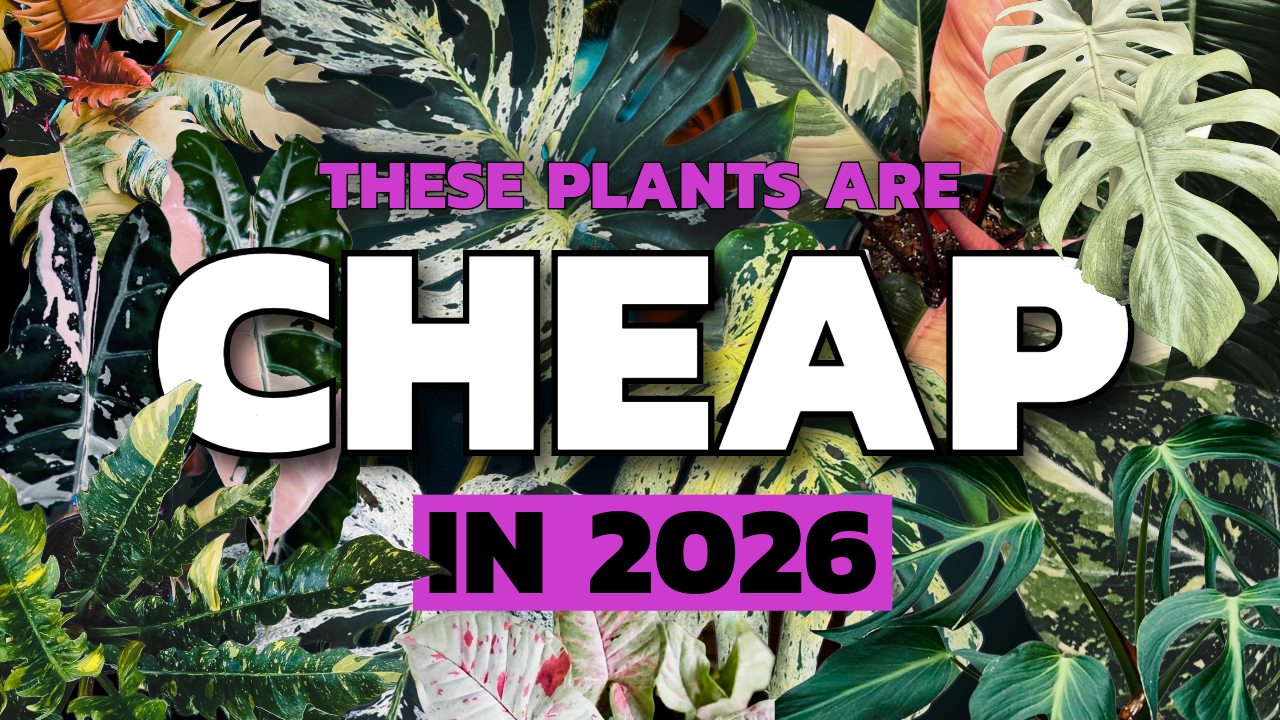
There will be more price drops. There will be more tissues cultured versions of previously expensive plants. A few categories that have so far escaped heavy tissue culture will probably face their moment at some point.
After that, something new will eventually come along to kick off another cycle. It might be a different group of plants, a new colour form, or an entirely different way of growing. Whatever it is, the pattern will repeat in some form because that is how speculative markets work.
For now, rare plants have moved away from being speculative assets and back toward what they should have been all along: plants you actually live with, enjoy and care for.
If you want the full story with visuals and examples, this blog post is based on my video about what really happened to rare plants. You can watch it here, and if you are curious about which plants are about to become much cheaper in 2026, keep an eye out for my follow up video on that too.
